
What Is the Most Dangerous Country in the World for Travelers?
When you travel as much as I do, one question people often ask is: “What’s the most dangerous country in the world?”
The truth is, it depends on what you mean by “dangerous”. For some, it’s about high crime rates. For others, it’s about war, instability, or human rights. But when you combine all these factors together, one country often sits at the top of nearly every global risk ranking. And that country is Afghanistan.
Why Afghanistan is considered the World’s Most Dangerous Country
Afghanistan has faced decades of war, political upheaval, and humanitarian crisis. As of the date of this writing, it continues to be one of the hardest and most dangerous places to live or travel to. Here’s why:
1. Ongoing Conflict and Instability
Afghanistan has not known true peace for decades. The country has been shaped by years of warfare, foreign interventions, and internal divisions that continue to this day. Even though major battles have slowed in some regions, instability remains part of daily life. Armed groups still control pockets of territory, often clashing with each other or with government forces. Traveling across provinces is unpredictable and dangerous.
Even the capital city, Kabul, which was once considered a safer zone, experiences frequent security incidents. Bombings, shootings, and attacks on public places have made ordinary life difficult for residents. For travelers and humanitarian workers, moving around the country requires heavy security precautions. In short, Afghanistan is still a nation living in the shadow of conflict.
2. Human Rights Concerns
When it comes to human rights, Afghanistan faces some of the most serious challenges in the world. Since the political shift in 2021, many women and girls have been banned from attending secondary schools and universities. Most have also lost access to jobs in both public and private sectors. This has created a silent crisis, leaving half of the population voiceless and cut off from opportunity.
Freedom of speech has also taken a major hit. Journalists risk detention for simply reporting the truth, and activists who speak up are often harassed or forced into hiding. Religious and ethnic minorities face discrimination and violence, and international organizations find it increasingly difficult to operate in the country. For those living there, daily life is not only hard but filled with uncertainty about what rights they still have left.
3. Crime and Kidnapping Risk
Beyond the war and politics, ordinary crime in Afghanistan poses another level of danger. The country’s weak law enforcement system makes it difficult to track or punish criminals effectively. Corruption is common, and many people no longer trust the police or courts to protect them.
Foreigners are at particular risk. Kidnapping for ransom remains one of the most serious threats, and even aid workers or journalists have been targeted in the past. Travelers can also face theft, robbery, or scams, especially in areas with limited government control. Even local residents are not safe from these threats. Many Afghans live with constant fear, knowing that justice is rarely served when crimes occur.
4. Travel Warnings
Because of these risks, Afghanistan consistently appears at the top of every “Do Not Travel” list issued by foreign governments. The United States, the United Kingdom, Australia, and many others strongly advise their citizens to stay away from the country. These warnings are not just formalities. The truth is that they are very serious and reflect real and ongoing dangers.
Commercial flights in and out of Afghanistan are very limited, and the few that exist often face sudden cancellations or security issues. Once inside the country, travelers have almost no access to reliable emergency services. Hospitals are underfunded, roads are in poor condition, and communication networks are weak. For most travelers, even basic movement between cities is unsafe without professional security escorts.

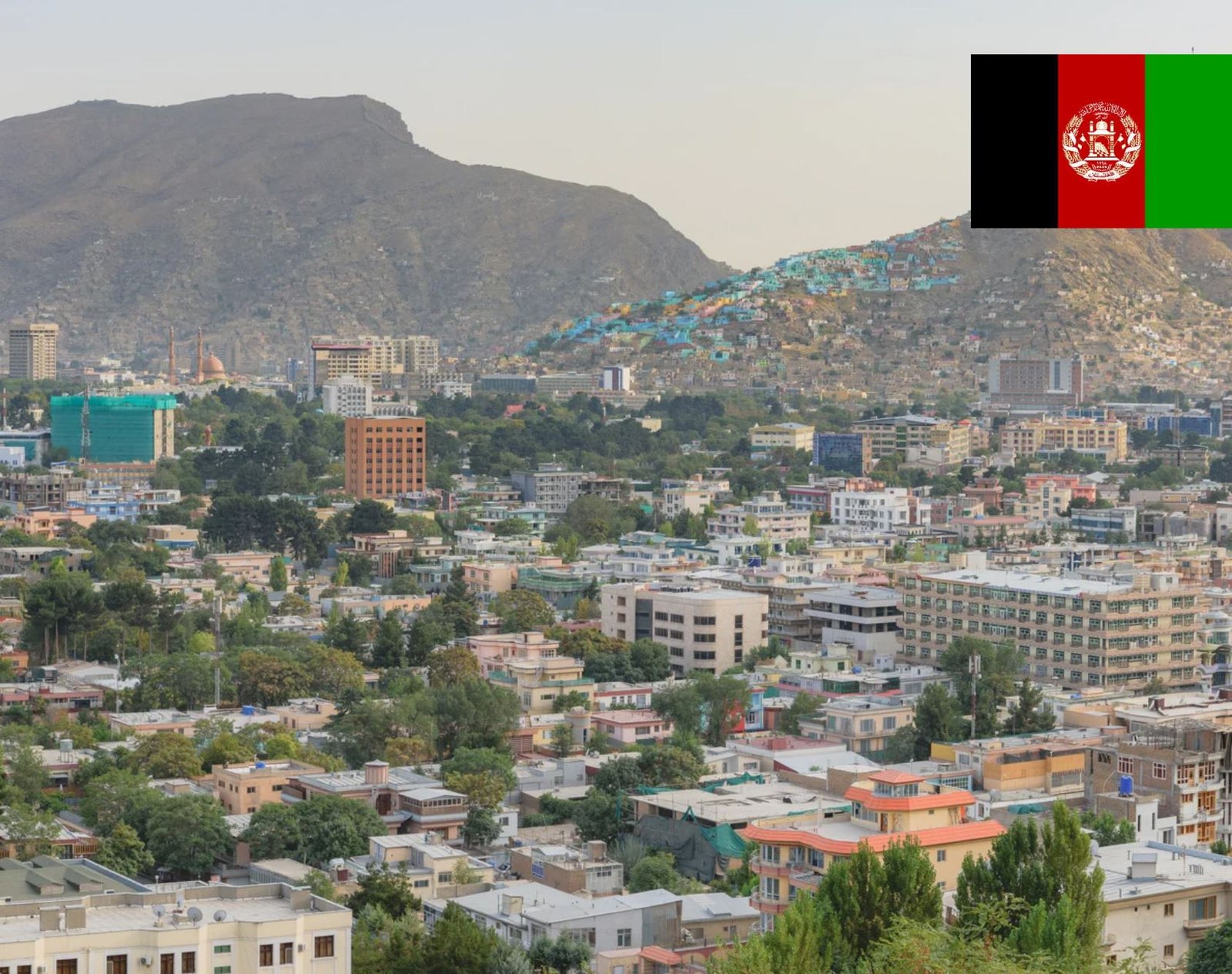
This is Kabul, the capital city of Afghanistan.
Other Extremely Dangerous Countries
While Afghanistan ranks highest overall, it’s not the only place struggling with instability and danger. Here are a few others that appear near the top of global risk lists:
Yemen
Yemen is a country that has been devastated by years of civil war. The fighting between rival groups has destroyed much of the nation’s infrastructure and left millions of people in need of food and medical care. Bombings are a constant threat, and large parts of the country are controlled by armed factions rather than a central government.
Famine has become one of Yemen’s harshest realities. Many families survive on limited food aid, and hospitals often struggle to function without supplies or electricity. To make things worse, outbreaks of diseases such as cholera have spread rapidly due to unsafe water and poor sanitation. For travelers, Yemen is one of the riskiest destinations on earth, with a high chance of violence, kidnapping, and severe logistical challenges.
Syria
Syria is another country that continues to bear the scars of war. Although the intensity of the conflict has reduced in some areas, the situation remains fragile. Cities like Aleppo and Homs, once thriving centers of culture and trade, have been largely destroyed. Entire neighborhoods remain in ruins, and millions of Syrians have been displaced or forced to flee abroad.
The threat of terrorism still lingers, and government crackdowns on dissent make it dangerous for journalists and activists. For visitors, security conditions can change suddenly, and movement between regions is often restricted. Even humanitarian workers face enormous risks trying to deliver aid to those in need. Syria’s story is one of survival amid destruction, where safety is still uncertain even after years of fighting.
South Sudan
South Sudan is the world’s youngest nation, but it has been plagued by conflict almost since the day it gained independence. Tribal rivalries and political disputes have repeatedly turned violent, displacing millions of people. The country’s infrastructure is underdeveloped, and poverty remains widespread.
For most citizens, basic needs such as food, clean water, and healthcare are difficult to access. Armed groups operate in various regions, and sporadic fighting continues to erupt without warning. For travelers, South Sudan presents high risks due to violence, poor roads, and limited emergency support.
Somalia
Somalia’s challenges are deeply rooted in decades of instability and weak governance. The absence of a strong central authority has allowed piracy, terrorism, and corruption to flourish. Armed groups, including the extremist organization al-Shabaab, remain active and frequently launch attacks in both rural and urban areas.
For the average Somali, life is difficult and unpredictable. Attacks on civilians and aid workers happen too often, and access to clean water, healthcare, and education remains limited. The coastline, once famous for fishing, became known for piracy in recent decades, though international efforts have reduced it somewhat. For travelers, Somalia remains one of the most high-risk countries in the world, where safety cannot be guaranteed anywhere outside heavily secured zones.
A Broader Look at “Danger”
The above said, it should be noted that danger isn’t just about bombs or bullets. In some countries, danger comes from different sources such as extreme poverty, high crime, or even lack of healthcare.
For example:
- Venezuela struggles with violent crime and economic collapse.
- Haiti faces gang violence and political chaos.
- Mexico has some regions with high cartel activity despite being a popular tourist destination.
So all in all, “danger” can look very different depending on where you go and what kind of traveler you are.


