
Top 10 Cleanest Countries in the World
When we think of “clean countries,” many of us picture spotless streets, fresh air, and crystal-clear lakes. But the reality goes deeper than that. Cleanliness isn’t just about what you see with your naked eyes. The truth is that it also has a lot to do with how nations manage their air, water, energy, and waste.
Each year, the Environmental Performance Index (EPI) ranks countries based on sustainability and environmental health. The 2024 report places Estonia at the very top followed closely by Luxembourg, Germany, and Finland. Let’s take a closer look at the ten cleanest countries on Earth and what they’re doing right.
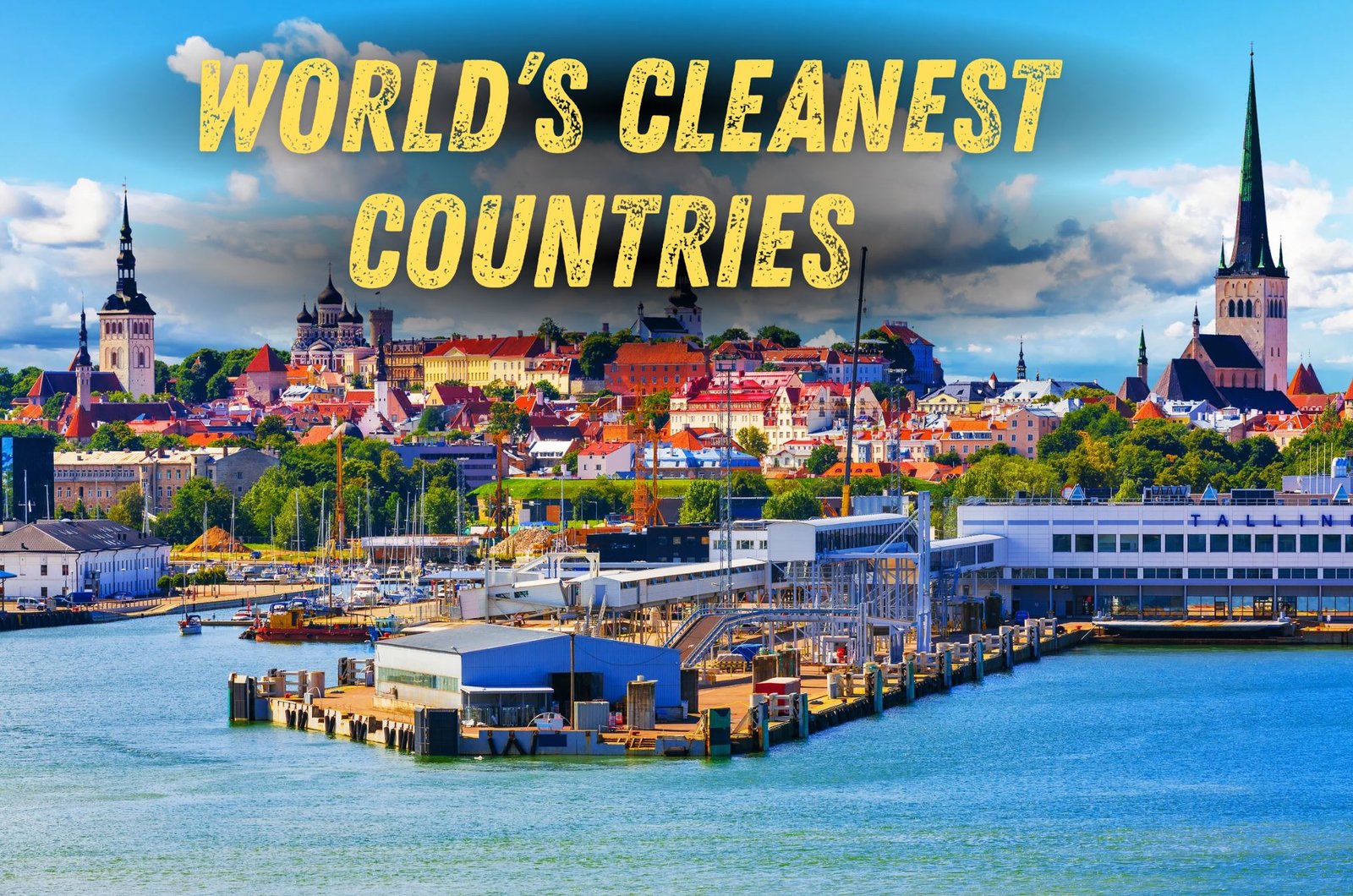
1. Estonia (EPI Score: 75.7)

Estonia might be small, but its environmental success is huge. The country has invested heavily in renewable energy and forest conservation. Over half its land is covered in trees, and its air and water quality are among the best in Europe. Estonia’s digital governance also plays a very significant role. The country actually uses technology to track pollution and energy use in real time.
2. Luxembourg (EPI Score: 75.1)

Luxembourg proves that wealth and sustainability can go hand in hand. This tiny European nation has reduced emissions while growing its economy. Its public transport network is free for everyone, helping cut traffic pollution. The government’s long-term green policies make Luxembourg one of the most environmentally responsible countries in the world.
3. Germany (EPI Score: 74.5)

Germany is a leader in clean energy innovation. Solar panels, wind turbines, and recycling are part of daily life here. Germans take pride in waste separation, and the country’s strict environmental laws keep pollution under control. With strong public awareness and eco-friendly technology, Germany continues to set a global example.
4. Finland (EPI Score: 73.8)

Finland’s natural beauty is backed by strong environmental protection. The air is incredibly pure, the lakes are pristine, and the forests are sustainably managed. Finland is also investing in carbon-neutral housing and clean technology. It’s no wonder the country is consistently ranked among the most livable and cleanest in the world.
5. United Kingdom (EPI Score: 72.6)

The UK has made impressive progress in reducing carbon emissions and improving air quality, especially in major cities like London. Investments in wind energy and green transport have helped it climb the global rankings. Plastic bans and community recycling programs continue to strengthen its environmental record.
6. Sweden (EPI Score: 70.3)

Sweden’s clean reputation is no myth. The country runs on renewable energy, and nearly all household waste is recycled or turned into energy. The Swedish lifestyle emphasizes eco-living – from organic food to minimal carbon footprints. The country also champions global climate action through policy and innovation.
7. Norway (EPI Score: 69.9)

Norway’s wealth from oil has been channeled into building one of the world’s greenest economies. It’s the world leader in electric car adoption, and most of its electricity comes from hydropower. Clean air, untouched fjords, and environmental accountability make Norway a model of balance between economy and ecology.
8. Austria (EPI Score: 68.9)

Austria is blessed with Alpine air, fresh rivers, and rich biodiversity. The government enforces strict environmental rules to keep it that way. Austrians take recycling seriously, and the country’s cities consistently rank among Europe’s cleanest. Vienna, in particular, is known for its air quality and green spaces.
9. Switzerland (EPI Score: 67.8)

Switzerland has long been associated with cleanliness – both in lifestyle and environment. The Swiss prioritize sustainability in everything from waste management to water treatment. The country’s transport system is efficient and eco-friendly, and its public respect for nature keeps its landscapes remarkably pristine.
10. Denmark (EPI Score: 67.7)

Denmark is a trailblazer in wind energy and sustainable living. Copenhagen aims to be the world’s first carbon-neutral capital. Bike lanes outnumber parking lots, and renewable energy powers much of the nation. Denmark’s clean design, responsible governance, and citizen awareness make it one of the world’s greenest places to live.
What Makes a Country Truly Clean?
When we talk of a clean country, many people instantly just assume it is about tidy streets but the truth is that it is more than that. It’s about long-term policies that protect the planet. The cleanest nations share the key traits below. Having traveled through several of these countries myself, including Germany, Finland and Switzerland, I’ve seen how these values are part of everyday life, not just government policies.
Strong Environmental Laws
One thing that stands out is how seriously these countries treat the environment. In Germany, for example, you cannot just dump waste or cut down trees without following strict regulations. Environmental laws are enforced, and people follow them because they understand their purpose. It is a culture of responsibility that starts from the top but is supported by the people.
Clean Energy Adoption
In Finland, I noticed how naturally renewable energy fits into daily life. Homes and public buildings use energy efficiently, and clean technologies are everywhere. It is not seen as something special or futuristic. Most Finnish people see this as simply normal. The same goes for Switzerland, where hydropower and solar energy are key parts of the national grid. The shift toward clean energy feels complete and genuine, not forced.

Geneva, Switzerland
For example, recently I was in Switzerland and I was beyond impressed by how clean this country is. Walking through Geneva, you notice how spotless the streets are, how public transport runs smoothly, and how even old buildings are beautifully maintained. There’s an effortless sense of order and respect for the environment that makes the country stand out. It feels like everyone takes personal responsibility for keeping their surroundings as clean as the air they breathe.
Efficient Public Transport
One of the easiest ways to tell that a country values sustainability is by looking at its public transport system. Germany and Switzerland have some of the most efficient and punctual train networks I have ever used. People choose buses and trains not because they have to but because they are convenient, affordable, and of course clean. When public transport works this well, fewer people need cars, which means less pollution overall.
Waste Reduction and Recycling
In Switzerland, recycling is taken seriously. Every household sorts its trash carefully, and public bins are clearly labeled to make recycling easy. In Germany, the deposit system for bottles encourages people to return used containers for a refund. It may seem like a small habit, but these small steps keep the cities remarkably clean and reduce waste that ends up in landfills.
Citizens Who Value Sustainability
The biggest difference I have noticed, though, is mindset. People in these countries see caring for the environment as part of being a good citizen. Whether it is choosing a reusable bag, biking to work, or turning off unnecessary lights, everyone plays a role. The result is a clean and balanced society where respect for the environment is as natural as respect for one another.


