
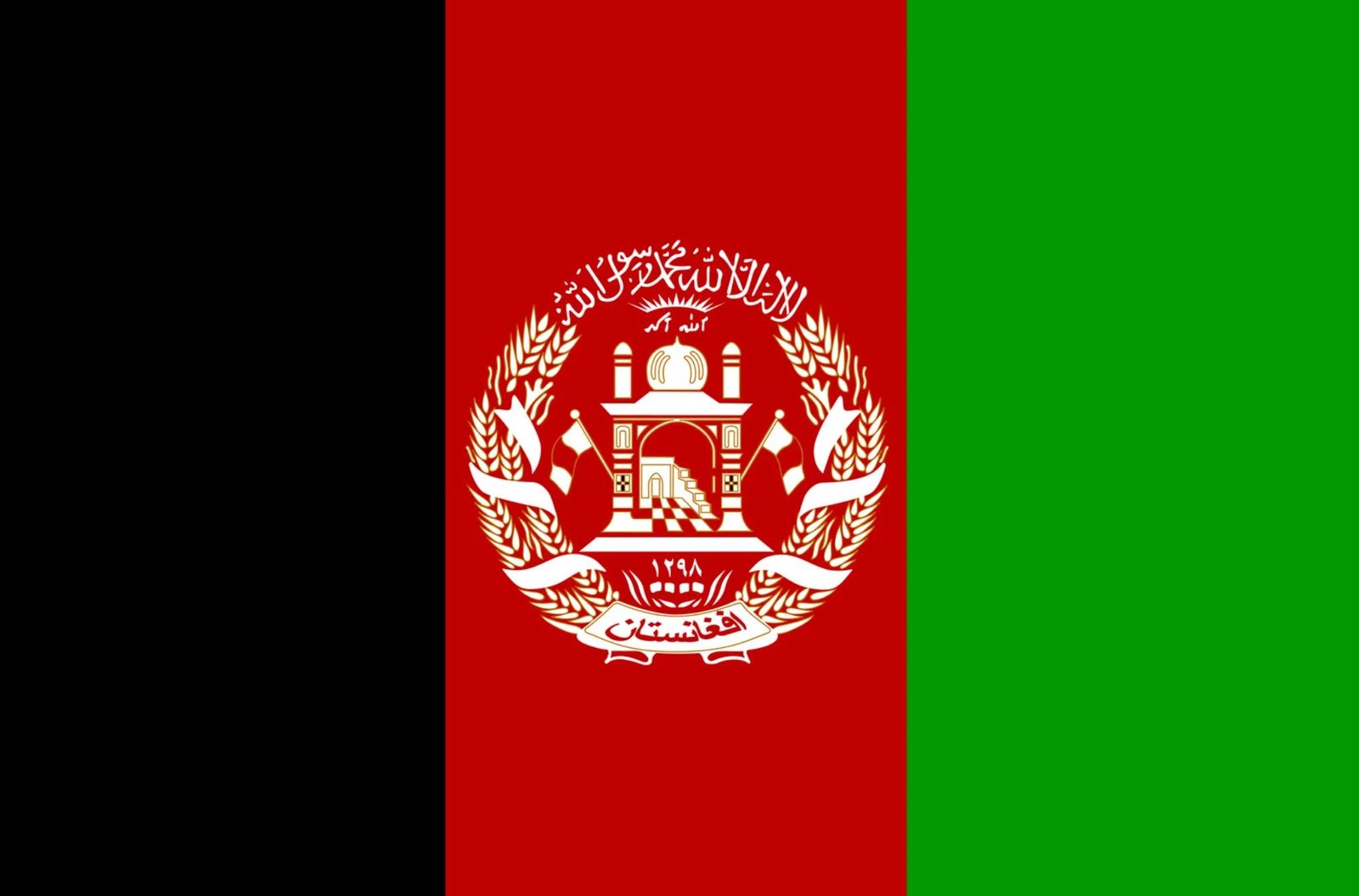
Afghanistan Travel Guide
Basic Information
| Category | Details |
|---|---|
| Capital | Kabul |
| Continent | Asia |
| Official Languages | Dari (Persian), Pashto |
| Currency | Afghan Afghani (AFN) |
| Time Zone | UTC +4:30 |
| Driving Side | Right |
| International Dialing Code | +93 |
Travel Status
- Travel Advisory: Do Not Travel. Most governments strongly advise against visiting due to ongoing conflict, terrorism, and instability.
- Visa Requirement: Most nationalities require a visa, but processing is limited. Check with Afghan embassies abroad before planning travel.
- Entry Points: Only a few border crossings are operational; international flights are minimal and may change suddenly.
Safety and Security
| Concern | Risk Level | Notes |
|---|---|---|
| Conflict / Terrorism | Very High | Armed groups are active across much of the country. |
| Crime / Kidnapping | Very High | Foreigners may be targeted for ransom or political leverage. |
| Health Risks | High | Limited healthcare, poor sanitation, and disease outbreaks. |
| Infrastructure | Weak | Roads are often unsafe; power and internet unreliable. |
Human Rights and Local Conditions
- Women face severe restrictions on education and employment.
- Media freedom is limited.
- LGBTQ+ rights are non-existent and same-sex relations are criminalized.
- Photography of government buildings or military areas is prohibited.
Health & Medical
- Recommended Vaccines: Hepatitis A & B, Typhoid, Polio, Tetanus, Rabies
- Water Safety: Avoid tap water; use bottled or purified water only.
- Medical Facilities: Very limited. Most travelers rely on international evacuation coverage.
- Emergency Numbers:
-
Police: 119
-
Fire: 112
-
Ambulance: 102
-
Currency and Money
| Detail | Information |
|---|---|
| Currency Code | AFN |
| Exchange Rate | Fluctuates heavily due to instability |
| Payment | Cash only; ATMs unreliable |
| Tipping | Not common or expected |
Transportation
- Air: Kabul International Airport (HKIA) is the main entry point; limited international service.
- Road: High risk due to checkpoints, poor maintenance, and insurgent activity.
- Public Transport: Extremely limited and unsafe for foreigners.
- Taxis: Unregulated; negotiate fare in advance if absolutely necessary.
Communication
| Detail | Information |
|---|---|
| Internet Access | Limited and unreliable |
| SIM Cards | Available but registration required |
| Main Operators | Etisalat, MTN, Roshan, AWCC |
Weather and Climate
| Season | Conditions |
|---|---|
| Winter (Dec–Feb) | Very cold, especially in the mountains |
| Spring (Mar–May) | Mild and dry |
| Summer (Jun–Aug) | Hot and dusty |
| Autumn (Sep–Nov) | Pleasant but short season |
Cultural Tips
- Dress modestly at all times.
- Avoid public displays of affection.
- Do not criticize religion or local traditions.
- Always ask before taking photos of people.
- Men and women usually socialize separately.
Quick Facts
- Religion: Islam (official; nearly 100%)
- Major Cities: Kabul, Kandahar, Herat, Mazar-i-Sharif
- National Symbol: Mosque and mountains emblem
- Emergency Evacuation Insurance: Strongly recommended
Fun but Surprising Facts
- Afghanistan was once a key stop on the ancient Silk Road.
- The country has breathtaking mountains and historical sites like the Bamiyan Valley (where ancient Buddhas once stood).
- Despite decades of war, Afghan hospitality remains famous among locals.
Band-e Amir National Park

A breathtaking chain of deep blue lakes surrounded by limestone cliffs and rugged mountains. It is Afghanistan’s first national park and one of the country’s most beautiful natural wonders.
Bamiyan Buddhas (Bamiyan Valley)

Once home to two massive Buddha statues carved into the cliffs, this UNESCO World Heritage Site remains a symbol of Afghanistan’s ancient Buddhist past.
Herat Citadel (Citadel of Alexander)

A well-preserved fortress believed to have been founded by Alexander the Great, offering panoramic views and insights into Afghanistan’s medieval history.
Blue Mosque (Shrine of Hazrat Ali), Mazar-i-Sharif

Famous for its striking blue-tiled exterior, this mosque is one of Afghanistan’s most sacred Islamic sites and a masterpiece of Timurid architecture.
Kabul City

The capital city offers bustling bazaars, historic mosques, museums, and gardens that reflect both the country’s rich history and its modern transformation.
Minaret of Jam

A 12th-century UNESCO World Heritage Site standing tall in a remote valley, admired for its intricate brickwork and ancient Kufic inscriptions.
Panjshir Valley

A scenic valley known for its green landscapes, clear rivers, and significant role in Afghanistan’s history as a stronghold of resistance.
Kandahar City
A historic city deeply connected to Afghan identity, home to important Islamic relics and the mausoleum of Ahmad Shah Durrani, founder of modern Afghanistan.
Gardens of Babur (Bagh-e Babur), Kabul

Beautiful terraced gardens created by Mughal Emperor Babur, serving as his final resting place and a peaceful retreat in the heart of Kabul.
Nuristan Province
A remote mountainous region known for its lush forests, unique wooden architecture, and distinct local culture that has preserved ancient traditions.
Related posts:


EWK is the voice of Explore With Kojo, a global travel platform that goes beyond postcards and tourist hotspots. We explore the real stories, raw truths, and human moments that mainstream travel media often misses. Whether we’re answering your questions, sharing photo essays, or documenting life-changing journeys, our mission is simple: to show the world with heart, honesty, and curiosity.