
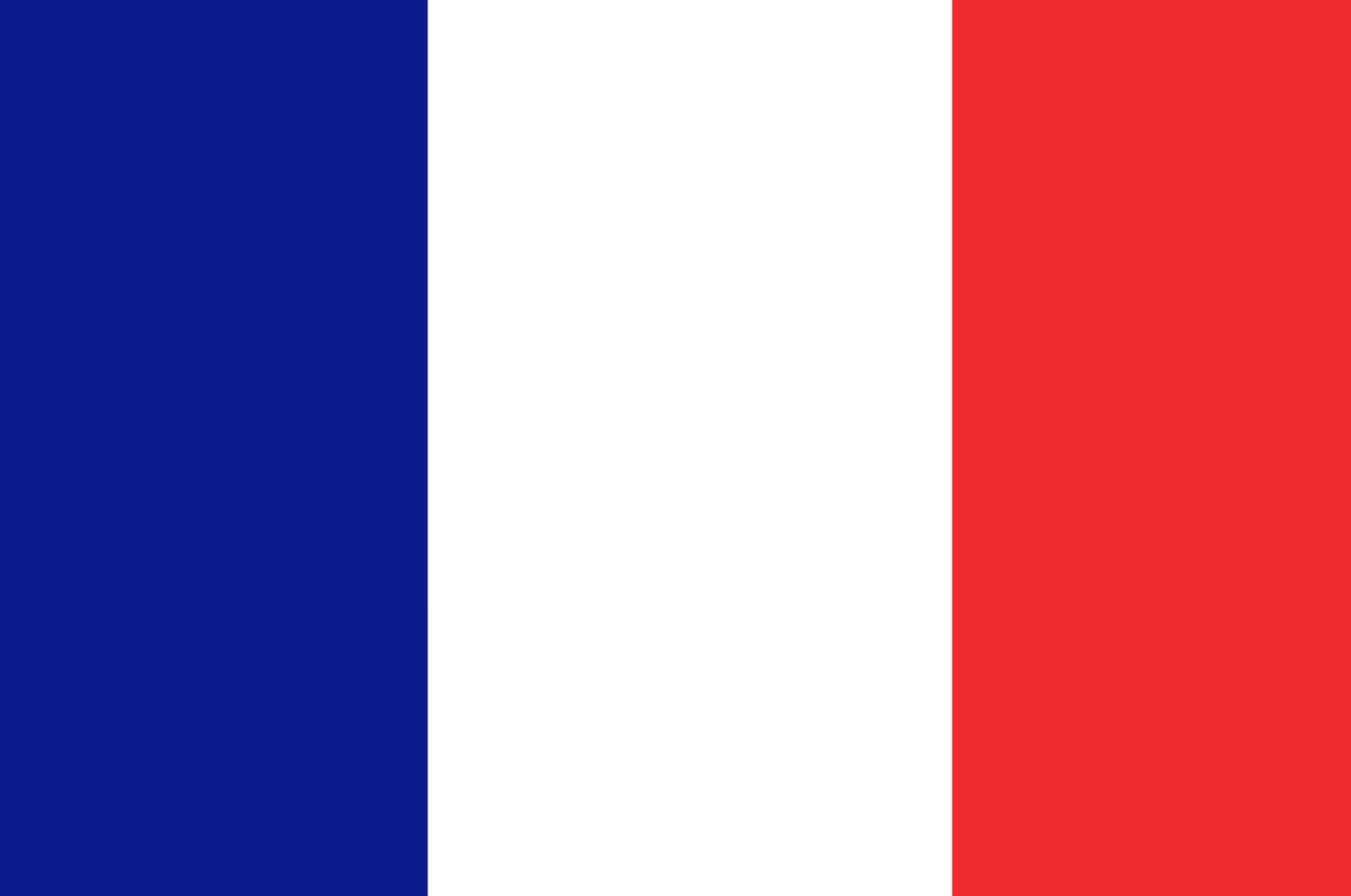
France Travel Guide
Basic Information
| Category | Details |
|---|---|
| Capital | Paris |
| Continent | Europe |
| Official Language | French |
| Currency | Euro (EUR) |
| Time Zone | UTC +1 (Standard Time) |
| Driving Side | Right |
| International Dialing Code | +33 |
Travel Status
- Travel Advisory: France is a safe and highly developed country, but travelers should remain alert in busy tourist areas and during public demonstrations.
- Visa Requirement: Since France is part of the Schengen Zone, citizens from most Western countries can enter visa-free for up to 90 days.
- Entry Points: Major international airports include Charles de Gaulle (Paris), Orly (Paris), and Nice Côte d’Azur. Land and rail access from neighboring European countries is easy and frequent.
Safety and Security
| Concern | Risk Level | Notes |
|---|---|---|
| Crime | Moderate | Pickpocketing and scams occur near landmarks and train stations. |
| Terrorism | Moderate | Tight security in public places due to past incidents. |
| Protests / Strikes | Moderate | Common in cities but generally peaceful. |
| Road Safety | High | Excellent infrastructure, but city traffic can be heavy. |
Human Rights and Local Conditions
- France is a democratic republic with strong legal protections for human rights and freedoms.
- Women enjoy full equality, and LGBTQ+ rights are legally protected and socially accepted.
- Freedom of expression is a cornerstone of French identity, though public protests are frequent.
- Religion is a private matter in France. The country practices laïcité, or secularism, meaning religion and state are separate.
Health & Medical
- Recommended Vaccines: Routine European vaccinations; Hepatitis A and B for long-term visitors.
- Water Safety: Tap water is safe to drink everywhere.
- Medical Facilities: Excellent public and private hospitals throughout the country.
- Emergency Numbers:
-
-
Police: 17
-
Fire: 18
-
Ambulance / Medical: 15
-
EU General Emergency (any service): 112
-
Currency and Money
| Detail | Information |
|---|---|
| Currency Code | EUR |
| Payment | Cards widely accepted; contactless payments common |
| ATMs | Easy to find across the country |
| Tipping | Between 5 and 10% is appreciated in restaurants, though service is often included |
Transportation
- Air: France has one of Europe’s best air networks, with Paris as a major hub.
- Rail: The TGV (high-speed train) connects Paris to major cities like Lyon, Marseille, Bordeaux, and Lille.
- Metro: Paris and other large cities have efficient metro systems.
- Road: Highways are well-maintained; tolls apply on major routes.
- Car Rental: Available with a valid international license.
Communication
| Detail | Information |
|---|---|
| Internet Access | Fast and reliable nationwide |
| SIM Cards | Available at airports, kiosks, and supermarkets with ID |
| Main Operators | Orange, SFR, Bouygues Telecom, Free Mobile |
Weather and Climate
| Season | Conditions |
|---|---|
| Spring (Mar – May) | Mild and colorful and therefore ideal for sightseeing |
| Summer (Jun – Aug) | Warm and sunny, especially in southern France |
| Autumn (Sep – Nov) | Pleasant with fewer tourists |
| Winter (Dec – Feb) | Cold in the north; great for skiing in the Alps and Pyrenees |
Cultural Tips
- A polite “Bonjour” or “Bonsoir” before speaking is expected.
- Dining etiquette is important since meals are social events.
- Avoid loud conversation in public spaces.
- Dress well; appearance matters in French culture.
- Tipping is appreciated but not mandatory.
- Learn basic French greetings since locals appreciate the effort.
Quick Facts
- Religion: Predominantly Roman Catholic, but highly secular society
- Major Cities: Paris, Marseille, Lyon, Toulouse, Nice, Bordeaux
- National Symbol: Marianne (symbol of liberty), and the Tricolor flag
- UNESCO Sites: Over 40, including Mont-Saint-Michel, Palace of Versailles, and Chartres Cathedral
- Emergency Evacuation Insurance: Recommended for long-term travelers or adventure trips
Fun but Surprising Facts
- France is the world’s most visited country, welcoming over 80 million tourists annually.
- The Eiffel Tower was originally meant to be temporary.
- The French invented cinema, photography, and the metric system.
- There’s a village named “Paris” on almost every continent, inspired by the original.
- France produces over 400 types of cheese – basically one for every day of the year.
Top Attractions to Visit in France
Eiffel Tower (Paris)

The symbol of France and one of the most visited monuments in the world. Climb to the top or enjoy the view from the Champ de Mars, especially at night when the tower sparkles every hour.
Louvre Museum (Paris)

Home to the Mona Lisa and thousands of masterpieces, the Louvre is the world’s largest art museum. Its glass pyramid entrance and massive galleries make it a must-visit for art lovers.
Mont Saint-Michel (Normandy)

A magical island topped with a medieval abbey, surrounded by tides that change dramatically. Wander its cobblestone streets and enjoy panoramic views from the abbey walls.
Palace of Versailles

Just outside Paris, Versailles showcases the peak of French royal grandeur. Explore its gilded halls, the Hall of Mirrors, vast gardens, and fountains that once hosted Louis XIV’s lavish celebrations.
French Riviera (Nice, Cannes, Monaco)

The glamorous Mediterranean coast known for its beaches, blue seas, and luxury resorts. Stroll along Nice’s Promenade des Anglais or visit Cannes during its world-famous film festival.
Loire Valley Castles

A region filled with hundreds of Renaissance castles, vineyards, and charming villages. Highlights include Château de Chambord, Château de Chenonceau, and Amboise.
Provence (Lavender Fields)

Rolling hills covered in purple lavender during summer, along with picturesque towns like Gordes and Roussillon. Visit in July for the full bloom and the scent of endless lavender fields.
Chamonix-Mont-Blanc

One of Europe’s top alpine destinations, famous for skiing, hiking, and breathtaking mountain scenery. Take the Aiguille du Midi cable car for views of Mont Blanc, Western Europe’s highest peak.
Strasbourg

A charming city on the French-German border known for its half-timbered houses, canals, and the stunning Strasbourg Cathedral. Its Christmas market is among the oldest in Europe.
Bordeaux

A world-renowned wine region with elegant architecture, vineyards, and riverfront charm. Tour local wineries and enjoy the modern Cité du Vin wine museum.
Most Popular Cities in France
France is one of those countries that never stops inspiring travelers. Whether it’s your first visit or your fifth, there’s always something new to discover. Here are some of the most popular cities in France that truly capture the spirit of the country.
Paris

Paris is the heartbeat of France and one of the most visited cities in the world. From the Eiffel Tower and the Louvre to cozy cafés tucked along narrow streets, the city never runs out of charm. Every corner has something special, whether it’s art, food, or fashion.
Nice

Nice is where the French Riviera truly shines. The sea breeze, colorful buildings, and beautiful promenade make it a favorite spot for both locals and travelers. It’s a place where you can slow down, enjoy the view, and take in that relaxed Mediterranean vibe.
Lyon

Lyon is often called the food capital of France, and I completely understand why. The city has an old-world charm with its narrow streets, hidden passageways, and riverside views. It’s also filled with great restaurants and some of the best food experiences in the country.
Marseille

Marseille feels raw and real. It’s a melting pot of cultures with a strong connection to the sea. Walking through the Old Port or looking out from the Notre-Dame de la Garde gives you a sense of the city’s deep history and vibrant energy.
Bordeaux

Bordeaux is elegance in motion. It’s known around the world for its wine, but the city itself is just as beautiful as its vineyards. The streets are lined with classic architecture, and the waterfront is perfect for a quiet evening stroll.
Toulouse

Toulouse, or “The Pink City,” gets its nickname from the warm color of its buildings. It’s a mix of old and new, with a lively student population and strong roots in aviation and space exploration. The local food scene is another reason to visit.
Strasbourg

Strasbourg feels like a fairy tale come to life. The half-timbered houses, canals, and grand cathedral make it one of the prettiest cities in France. Its mix of French and German influences gives it a truly unique personality.
Montpellier

Montpellier has that youthful energy that makes you feel at home right away. The city’s historic center is filled with narrow lanes, sunny squares, and friendly cafés. It’s close to the Mediterranean, so you can easily combine city life with beach time.
Lille

Lille doesn’t always get the attention it deserves, but it’s full of surprises. The architecture has a strong Flemish touch, and the people are incredibly welcoming. It’s a great place for art, culture, and delicious northern French food.
Cannes

Cannes is all about glamor, sunshine, and the sea. Known for its international film festival, this Riviera city also has a more peaceful side. Take a walk along the Croisette or enjoy a quiet sunset by the water, and you’ll understand why it’s so famous.
Frequently Asked Questions About Visiting France
1. Is France really worth visiting beyond Paris?
Absolutely. Paris might be the star, but France is much more than its capital. From the lavender fields of Provence to the beaches of Nice and the vineyards of Bordeaux, the country is full of variety. Every region feels like a different world, with its own food, culture, and rhythm of life.
2. When is the best time to visit France?
Spring and fall are my favorite times. The weather is pleasant, crowds are smaller, and everything feels more relaxed. Summer can be busy, especially in the south, while winter has its charm in the Alps and in festive towns like Strasbourg. It all depends on what kind of experience you want.
3. Do I need to speak French to travel around France?
Not really, but it helps. Many people in major cities and tourist areas speak English, but a simple “Bonjour” or “Merci” will definitely go a long way. I’ve found that when you try even a little French, locals appreciate the effort and become more welcoming.
4. Is France safe for tourists?
Yes, France is safe, but it’s always smart to stay alert. Pickpocketing can happen in crowded places like train stations or tourist areas. Outside big cities, it’s calm and friendly. I’ve walked around small French towns late at night and felt completely comfortable.
5. How expensive is it to travel around France?
France can fit most budgets. Paris and the Riviera are pricier, but you’ll find affordable stays and great food almost anywhere. I often travel on mid-range budgets by mixing local bakeries, public transport, and smaller towns instead of only focusing on the tourist hotspots.
6. What are some must-visit places in France besides Paris?
Try Nice and Cannes for sunshine and beaches, Lyon for food, Bordeaux for wine, and Annecy for pure natural beauty. Strasbourg and Colmar are fairy-tale towns that feel like they belong in a storybook. Each one offers a unique glimpse into French life.
7. Is public transport in France easy to use?
Yes, very. Trains are fast, efficient, and connect most major cities. The TGV (high-speed train) is my favorite way to travel around. For smaller towns, regional trains or buses work fine. If you plan to explore rural areas, renting a car can give you more freedom.
8. What are some cultural things to know before visiting France?
Always greet people before starting a conversation. The French value politeness and personal space. Don’t talk loudly in restaurants, and take your time during meals. Also, try not to rush since life here moves at a slower, more deliberate pace.
9. What foods should I try in France?
Croissants and baguettes are just the beginning. Try cheese like Camembert or Brie, local wines, and regional dishes such as ratatouille, quiche Lorraine, or boeuf bourguignon. I also love exploring French markets. The smells, colors, and tastes capture the soul of the country.
10. How do I travel between cities in France?
Trains are the best option. The SNCF network is extensive and reliable. If you’re short on time, budget airlines can be cheap, especially between major hubs. I’ve done both, but I prefer trains because they let you see the countryside along the way.
11. Do I need to tip in France?
Tipping isn’t required since service is usually included in your bill, but leaving one or two euros for good service is appreciated. I like tipping at smaller places or cafés where the waiter remembers you. To me, that feels more personal.
12. What’s the best way to experience local life in France?
Visit smaller towns, eat where locals eat, and join weekend markets. I’ve had some of my best moments chatting with bakers and café owners. The real France reveals itself when you slow down and connect with the people.
13. What are the most scenic regions in France?
Provence, the Loire Valley, and the French Alps are stunning. I also love Brittany for its rugged coastline and Corsica for its mix of mountains and beaches.
14. Is France good for solo travelers?
Yes, very. It’s safe, easy to navigate, and full of solo-friendly activities like museums, walking tours, and cafés where you can sit and people-watch. I’ve met travelers from all over the world exploring France alone and loving it.
15. How can I avoid tourist scams in France?
Be cautious in busy areas like train stations or near major landmarks. Don’t sign random petitions or accept friendship bracelets from strangers. If someone distracts you, hold your bag close. I’ve seen these scams before, and they’re easy to avoid once you know what to look for.
16. What’s the best way to stay connected in France?
Get a local SIM card or eSIM. Most airports and convenience stores sell them. Free Wi-Fi is common in cafés and hotels, but mobile data is handy when exploring smaller towns. I always keep Google Maps offline too, just in case.
17. Is it worth renting a car in France?
If you’re staying in Paris, you honestly don’t need one. But if you want to explore places like Provence or Normandy, renting a car gives you freedom. Driving in France is easy once you get used to roundabouts and speed limits.
18. What’s the best way to enjoy French wine culture?
Visit a vineyard or join a tasting tour. The French take wine seriously, but it’s not intimidating when you approach it with curiosity. I’ve learned more about France through its wine than any book could teach. Even a simple glass at a small bistro tells a story.
19. Can I drink tap water in France?
Yes, the tap water is perfectly safe. In fact, in some towns, there are public fountains where you can refill your bottle. I’ve always found the water in France to be clean and refreshing.
20. What makes France so special to visit?
To me I think it is the mix of art, food, history, and attitude. France has this effortless charm that grows on you. Whether it’s sipping coffee on a quiet street or getting lost in a medieval village, there’s always something that reminds you why people fall in love with this country.


Pingback: Paris Travel Guide - Explore With Kojo