

Thean Hou Temple in Photos: Kuala Lumpur’s Famous Goddess of Mercy Temple
Kuala Lumpur is a city where tradition and modern life meet. Rising above the bustle of the capital, Thean Hou Temple stands as one of Malaysia’s most striking cultural landmarks. Built in honor of the Chinese sea goddess Mazu, it blends elements of Buddhism, Taoism, and Chinese folk beliefs into a single, vibrant complex.
The temple is as much a visual experience as it is a spiritual one. From the graceful statue of Guan Yin, the Goddess of Mercy, to the intricate dragon sculptures and the Chinese zodiac garden, every corner is designed to inspire reflection and awe.
This photo journey captures the highlights of Thean Hou Temple, offering a glimpse into its beauty, symbolism, and the cultural stories that make it one of Kuala Lumpur’s must-visit destinations.

Thean Hou Temple’s courtyard is filled with statues and gardens that showcase Chinese culture and spirituality.

A memorial stone at Thean Hou Temple stands in the garden, preserving cultural memory and heritage.

Informational plaque at Thean Hou Temple shares the history and cultural importance of the site.

Guan Yin, the Goddess of Mercy, stands tall at the Temple. This is a symbol of compassion and protection.

Colorful dragon sculptures stand as guardians of the temple, symbolizing power and protection.

Dragon figures decorate the temple grounds, embodying luck and power in Chinese tradition.

A vibrant deity statue welcomes visitors to the temple, blending Taoist and Buddhist traditions.

Visitors explore the zodiac sculptures, each tied to Chinese astrology.

The Rat statue represents cleverness, adaptability, and resourcefulness in Chinese astrology.
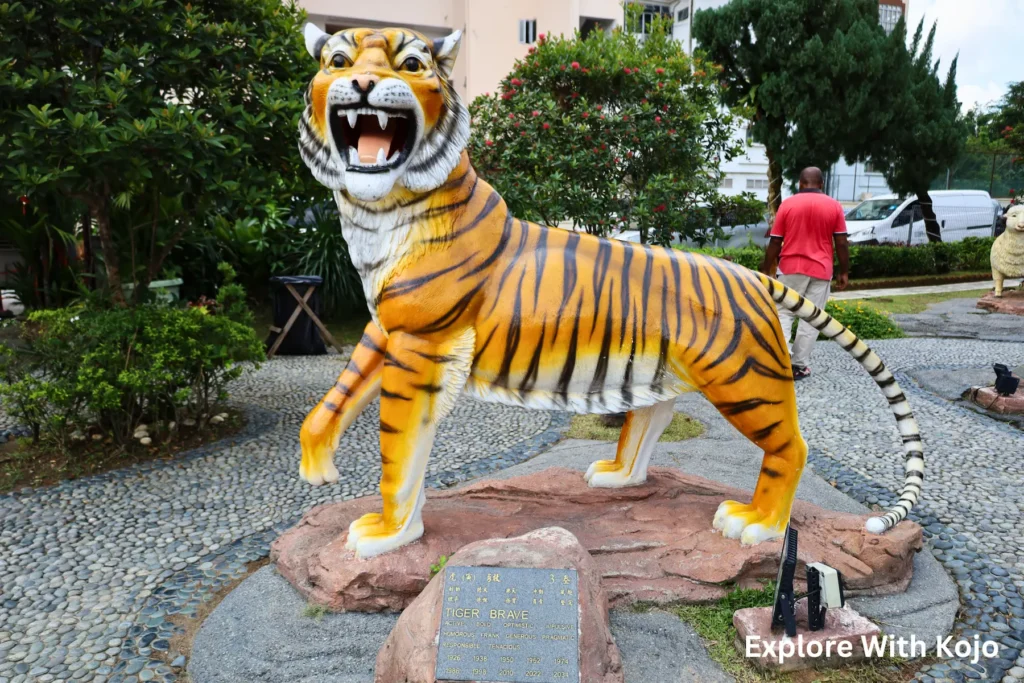
The Tiger statue symbolizes bravery, confidence, and resilience.

The Dog statue represents loyalty, honesty, and protection in Chinese astrology.

The Monkey statue represents intelligence, curiosity, and playfulness.

The Pig statue stands for wealth, generosity, and abundance.

The Ox statue embodies hard work, reliability, and strength in the Chinese zodiac.

The Rooster statue stands for vigilance, responsibility, and punctuality.

The Horse statue at Thean Hou Temple represents freedom, endurance, and vitality in the Chinese zodiac.

The Dragon stands for power, prosperity, and good fortune in Chinese astrology.

The Sheep (or Goat) statue at represents gentleness, compassion, and peace in the Chinese zodiac.
Visitor Information for Thean Hou Temple
If you are planning to visit Thean Hou Temple in Kuala Lumpur, here are some helpful details to make your trip smoother:
Location
The temple sits on a hill along Persiaran Endah, off Jalan Syed Putra, not far from Kuala Lumpur’s city center. Its elevated spot offers great views of the skyline.
Opening Hours
The temple generally welcomes visitors from 8:00 AM until 8:00 PM every day. Hours can sometimes change during big Chinese festivals, so it’s a good idea to check ahead if you are visiting during holiday periods.
Entrance Fee
There is no ticket fee. Entry is free, though visitors are encouraged to leave a small donation to support the temple’s upkeep.
When to Visit
- Early mornings or late afternoons are best if you want to avoid the midday heat and capture beautiful photos in softer light.
- Festival seasons, such as Chinese New Year, add another layer of excitement as the temple is filled with lanterns and festive decorations.
Dress Code
Since Thean Hou Temple is an active place of worship, it’s best to dress modestly. Comfortable clothing is fine, but avoid anything too revealing.
How to Get There
- By Ride-Hailing Apps: Grab or taxi rides from downtown Kuala Lumpur take about 10 to 15 minutes.
- By Train: You can take the KTM Komuter to Mid Valley Station and then hop into a short taxi or Grab ride to the temple.
Facilities
You’ll find restrooms inside the complex, and there’s usually a small parking area for those who drive. Food stalls and souvenir vendors often set up nearby, especially during festival days.
Traveler Tips
- Be respectful when taking photos, especially in the prayer halls where people are worshipping.
- Carry water with you this is because the courtyard and outdoor areas can get very hot.
- Pair your temple visit with nearby attractions such as Brickfields (Little India) or Mid Valley Megamall for a fuller day out.
Related posts:


EWK is the voice of Explore With Kojo, a global travel platform that goes beyond postcards and tourist hotspots. We explore the real stories, raw truths, and human moments that mainstream travel media often misses. Whether we’re answering your questions, sharing photo essays, or documenting life-changing journeys, our mission is simple: to show the world with heart, honesty, and curiosity.
Pingback: Kuala Lumpur in 24 Hours: 1 Day Itinerary Guide (With Real Photos) - Explore With Kojo