
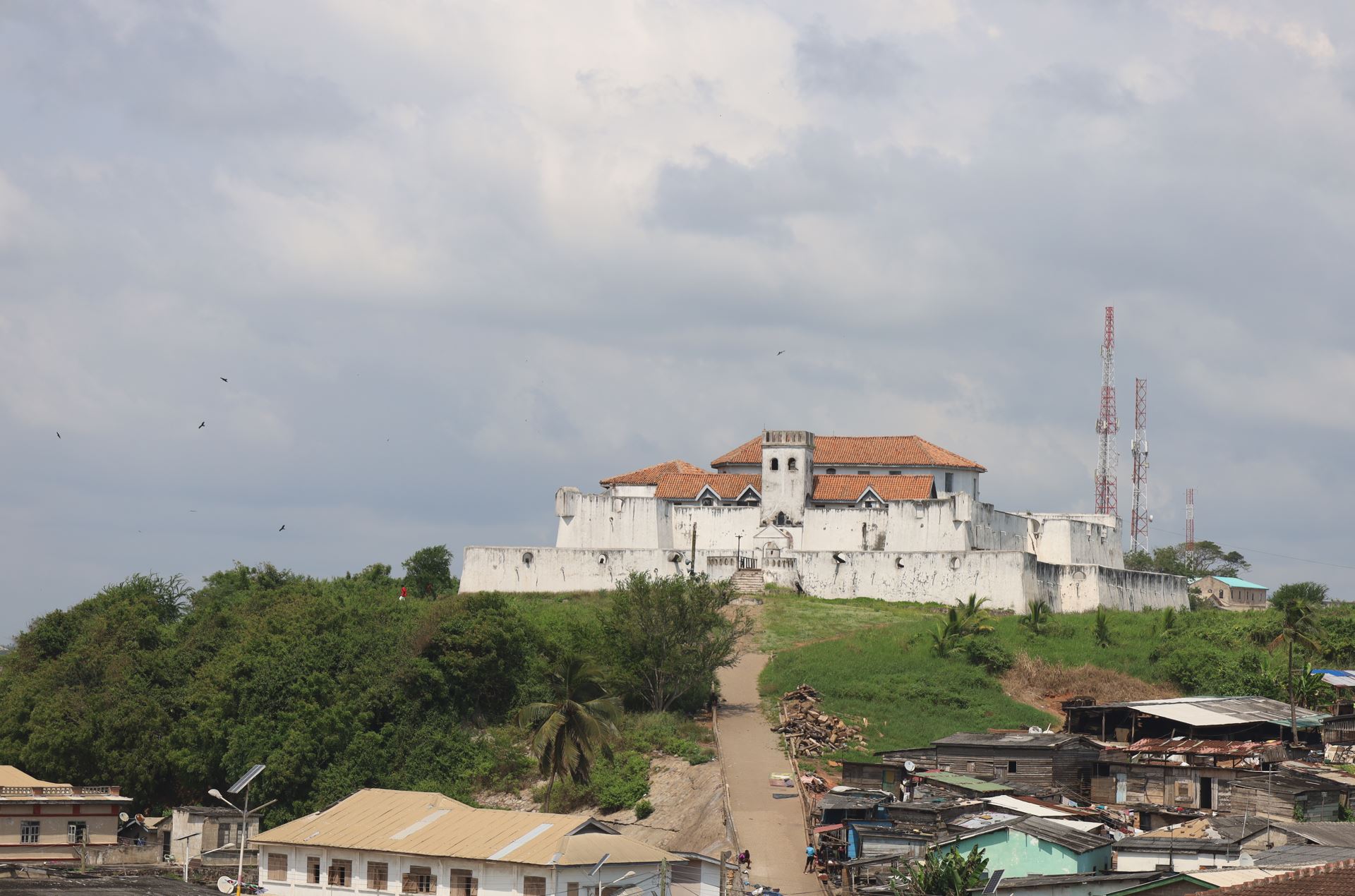
Volunteering Opportunities in Africa
Volunteering in Africa is something a lot of people around the world dream about. And I totally get why. This continent offers powerful, life-changing experiences, especially when you step into a local community and actually contribute to something meaningful.
From helping out at schools in Ghana to working with wildlife in South Africa, there are plenty of ways to get involved. But not every volunteer opportunity is what it claims to be. Some programs are truly impactful whereas others are just expensive travel packages dressed up as charity. Being an active player in the travel niche myself, I know what I’m talking about.
In this guide, I’m breaking down what’s popular, what to watch out for, and how to volunteer in Africa the right way. Whether you’re passionate about education, conservation, or healthcare, I’m sure that by the time you are done reading this post, you’ll gain a lot of very relevant knowledge regarding volunteering in the Motherland.
Most Popular Volunteering Areas in Africa
If you are wondering where you can make the biggest difference, these are the types of projects where you are likely to find the most opportunities in terms of volunteering on the continent.
Wildlife Conservation
Africa is home to some of the world’s most iconic animals, and protecting them is a full-time effort. Volunteers often work on anti-poaching patrols, help care for rescued animals, or assist with research projects. Popular countries for this include South Africa, Kenya, Namibia and Tanzania.
Teaching and Education
Many schools in Africa operate with very limited resources. Volunteers help teach subjects like English, math, and IT or run after-school programs. Sometimes you even get to stay with a host family, which is an amazing way to experience daily life. Some popular countries to volunteer in schools include Ghana, Uganda, Tanzania and Malawi.
Medical and Healthcare Volunteering
This is perfect for medical students or professionals who want to assist local doctors, run health awareness workshops, or support rural clinics. These are some of the top places that attract volunteers in the healthcare landscape: Zambia, Ethiopia, Sierra Leone and Kenya.
Community Development
These projects might involve building classrooms, improving sanitation, setting up clean water systems, or training young people in practical skills.
Some popular countries for this include: Rwanda, Ghana and The Gambia.
Environmental and Marine Conservation
Africa’s environment is as diverse as its people, and there is a growing need to protect it. Volunteers plant trees, clean up coastlines, or help restore coral reefs. Mozambique, Seychelles, Madagascar and South Africa rank among the top African countries for this.

Things to Consider Before Volunteering
Volunteering in Africa can be one of the most rewarding experiences of your life, but it is not something you should dive into without thinking it through. I have met volunteers who left with incredible stories, and I have also met those who left feeling frustrated because the reality was nothing like what they expected.
Here are a few things I believe you should keep in mind before you book that flight:
- Research the organization carefully: Make sure they are transparent about where your money goes and how your work will actually help the local community. Look for reviews from past volunteers and, if possible, speak to them directly.
- Be aware of “pay-to-volunteer” programs: Some organizations charge thousands of dollars for you to volunteer, but only a fraction of that money benefits the community. High fees are not always a red flag, but you need to know exactly what you are paying for.
- Focus on long-term impact: The best programs are the ones that work with and train locals so the project continues after you leave. Short-term fixes often don’t create lasting change.
- Respect the culture you are entering: You are there to help, but also to learn. Go with an open mind and remember that your way is not always the “better” way.
- Know your limits: Africa is big and diverse, and conditions vary. Some places are physically demanding, others can be emotionally heavy. Be honest with yourself about what you can handle.

Frequently Asked Questions About Volunteering in Africa
People all over the world search for answers to these questions before deciding to volunteer in Africa. Here are the most common ones I’ve come across, along with straight, no-nonsense answers.
1. Do I need experience to volunteer in Africa?
Not always. Many teaching, conservation, and community programs accept volunteers with no prior experience, as long as you are willing to learn and work hard. However, for medical or technical roles, some level of qualification or training is usually required.
2. Is volunteering in Africa free?
Sometimes, but not often. A few programs will cover your accommodation and food, especially if you commit to staying for a longer period. Others might even provide a small stipend. Most reputable programs, however, require you to cover your own costs for accommodation, meals, and sometimes a program fee.
3. What is the best country to volunteer in Africa?
I honestly think that it largely depends on your interests:
- For wildlife conservation: South Africa, Kenya, Namibia
- For teaching and education: Ghana, Malawi, Tanzania
- For community development: Rwanda, Ghana, The Gambia
- For marine conservation: Seychelles, Mozambique, Madagascar
4. How long should I volunteer for?
The longer you stay, the more impact you can have. A two-week program can be a great introduction, but staying three months or more allows you to truly connect with the community and contribute to long-term projects.
5. Is it safe to volunteer in Africa?
Africa is a huge continent with 54 countries, so safety varies from place to place. Africa is generally a safe continent. Many popular volunteering destinations are safe for travelers, especially if you follow local advice, work through reputable programs, and use common sense.
Recommended Platforms to Find Volunteer Programs
If you are ready to start looking for a volunteer placement in Africa, these are some of the most popular and reliable platforms to check out. Members of my team and myself have personally used some of them successfully myself. Furthermore, I have also met so many people who have used them successfully, and they offer a wide range of opportunities ranging from short-term community projects to long-term conservation work. And the list is as follows:
- GoAbroad.com: A massive database of volunteer programs across Africa and beyond. You can filter by country, duration, and type of project.
- Volunteer World: A global volunteer marketplace that lets you compare programs, read reviews, and book directly.
- Projects Abroad: Well-established with over 30 years of experience. Offers structured placements in teaching, medicine, conservation, and more.
- Workaway: Great for budget travelers. Many hosts offer free accommodation and meals in exchange for a few hours of work each day.
- GivingWay: Connects you directly with grassroots organizations so you can avoid high “middleman” fees.
Kojo’s Tip: Before you commit, reach out to the organization and ask questions about daily tasks, living conditions, and exactly how your contribution will help. The best programs are happy to give you straight answers.

Advantages of Volunteering
For me, volunteering has always been about more than just helping out. It’s about that highly important exchange where you give your time and skills and walk away with stories, friendships, and lessons you could never buy. Over the years, I’ve met people who came to Africa as volunteers for a few weeks and left saying it was the most eye-opening experience of their lives.
Here’s what I believe are the biggest advantages, based on what I’ve seen and experienced.
1. Personal Growth
When you volunteer, you are constantly stepping out of your comfort zone. I’ve seen people arrive shy and uncertain, but after a few weeks of teaching in a rural Ghanaian school or working in a busy Kenyan wildlife reserve, they were handling challenges with confidence. These situations teach you a ton of things including patience, flexibility, and problem-solving in ways no classroom can.
2. Cultural Immersion
One of my favorite things about volunteering is how it pulls you into real, everyday life. I’ve shared meals with host families in small towns where the power cuts out regularly, joined in local celebrations, and learned phrases in languages I had never heard before. You experience the culture in a way no tourist itinerary could ever give you.
3. New Skills
Trust me when I say you’ll pick up skills without even realizing it. I know volunteers who arrived to help plant trees in Madagascar and left knowing how to fix a broken water pump. I’ve seen others start out teaching English but end up learning how to cook traditional dishes from their students’ families.
4. Networking and Friendships
You’ll meet people from all over the world ranging from other volunteers to locals to even community leaders. Some of these connections turn into lifelong friendships. I’m still in touch with a group of volunteers I met in Tanzania years ago, and we’ve even traveled together since.
5. Sense of Purpose
There’s something powerful about seeing your efforts make a difference. I’ve watched volunteers beam with pride as a group of kids they taught in Senegal read their first full sentences. Those moments stay with you long after you’ve returned home.
6. Career Boost
Volunteer experience tells employers you are willing to take initiative and adapt to different environments. Throughout my years of volunteering, I’ve met several medical students who gained valuable hands-on experience in African clinics that later helped them secure jobs back home.
7. Travel with Meaning
I’ve always believed travel is richer when it has purpose. Volunteering lets you see incredible places (from the beaches of Zanzibar to the savannahs of Namibia) while knowing you’re also leaving a positive mark behind.
Let Me Help You Start Your Volunteering Journey in Africa
I’ve volunteered in communities across the continent for years, and I’ve seen firsthand how the right program can benefit both the volunteer and the community.
So if you are thinking about volunteering in Africa and you are not sure where to start, I might be able to help. Having been involved in projects all over Africa, I know which opportunities are worth your time and which ones you should avoid. Feel free to reach out whenever you want. Whether you need advice, a recommendation, or just someone to answer your questions honestly, I’m happy to share what I’ve learned from the ground.


