
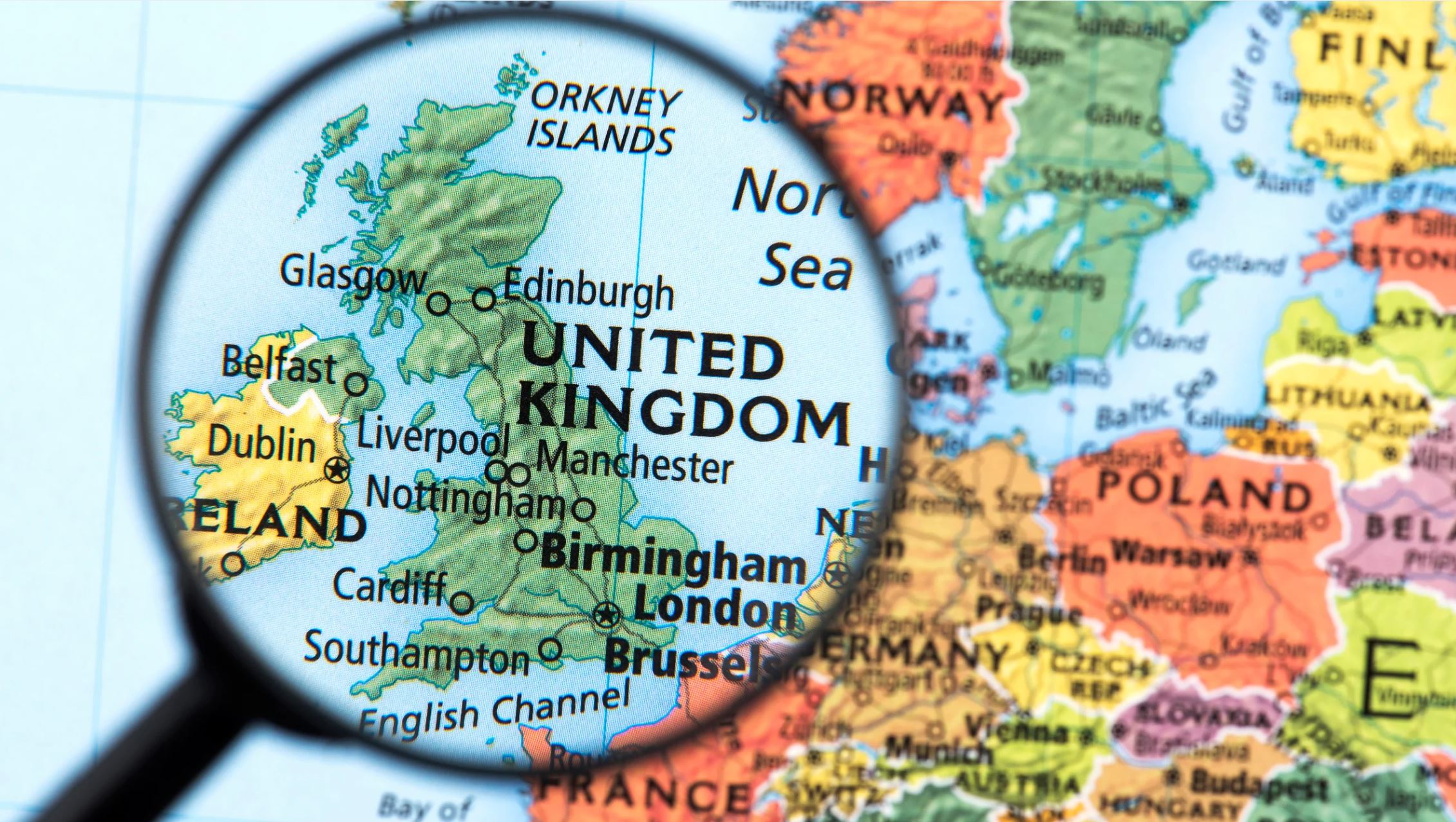
What Countries Make Up the UK?
Hi, I’m Kojo Enoch… a global traveler and curious soul who’s always fascinated by how nations come together to form something greater. And one of the most intriguing political unions I’ve come across in my travels is the United Kingdom.
Most people know the UK as the land of Big Ben, royalty, Harry Potter, and fish and chips. But what many don’t realize… especially outside of Europe is that the United Kingdom isn’t just one country. It’s a union of four distinct countries, each with its own identity, culture, and even its own parliament or assembly.
In this post, I’ll explain which countries make up the United Kingdom, how they’re connected, what makes them different, and why the UK is one of the most unique unions in the world today.
Quick Answer: What Countries Are in the UK?
The United Kingdom is made up of four countries:
- England
- Scotland
- Wales
- Northern Ireland
Together, they form the sovereign state officially known as the United Kingdom of Great Britain and Northern Ireland.
Now let’s explore each country more deeply.
1. England

When most people think of the UK, they’re probably thinking of England. It’s the largest country in the union (both in land area and population) and it serves as home to London, which is the UK’s capital city.
Key Facts About England
- Capital: London
- Population: Around 56 million
- Language: English
- Famous For: The British monarchy, Premier League football, Shakespeare, Buckingham Palace, Stonehenge
England has no separate parliament like the other three UK countries. Instead, the UK Parliament in Westminster governs England directly. This is part of what makes England politically dominant within the UK. The truth is that most of the UK’s politicians and decisions are centered here.
Despite being part of a union, England has a strong cultural identity. From afternoon tea to historic universities like Oxford and Cambridge, England’s influence on the world is undeniable.
2. Scotland

Travel a few hours north of London and you’ll enter Scotland. This is a country with a distinct legal system and its own education system. Scotland even has its own parliament. Scotland joined England in the union in 1707, forming the original Kingdom of Great Britain.
Key Facts About Scotland
- Capital: Edinburgh
- Population: Around 5.4 million
- Languages: English, Scots, Scottish Gaelic
- Famous For: Highlands, bagpipes, whisky, kilts, Loch Ness, golf, and dramatic castles
Scotland has its own parliament in Edinburgh, which handles issues like health, education, and justice. However, defense and foreign policy are still controlled by the UK Parliament.
What makes Scotland particularly unique is its strong push for independence. In 2014, the country held a referendum on whether to leave the UK. The vote was close with 55% voting to stay, and 45% voting to leave. Many believe another vote could happen in the near future, especially after Brexit, which the majority of Scots opposed.
3. Wales

To the west of England lies Wales, a country with deep roots in mythology, music, and mining. Though it was annexed by England centuries ago, it retains its own culture and language, which is the Welsh language. As a matter of fact Welsh is still taught in schools and proudly spoken by many.
Key Facts About Wales
- Capital: Cardiff
- Population: Around 3.1 million
- Languages: English and Welsh
- Famous For: Castles, rugby, rolling green landscapes, male voice choirs, and dragons
Wales has its own devolved legislature called the Senedd (Welsh Parliament), which handles areas like education, health, and the environment. Like Scotland, Wales doesn’t have the power to make decisions on serious issues like defense or international relations.
The Welsh people are fiercely proud of their heritage. While many Welsh people speak English, signs across the country are bilingual, and there’s been a resurgence in Welsh language music, TV, and literature in recent years.
4. Northern Ireland

Located on the island of Ireland, Northern Ireland is geographically separate from the other UK countries but remains part of the union. Its history is a very complicated one that is marked by decades of conflict known as “The Troubles”. This notorious conflict was between those who wanted to remain part of the UK (mainly Protestants) and those who wanted to reunite with the Republic of Ireland (mainly Catholics).
Key Facts About Northern Ireland
- Capital: Belfast
- Population: Around 1.9 million
- Languages: English, Irish Gaelic, and Ulster Scots
- Famous For: Giant’s Causeway, Titanic Museum, Game of Thrones filming locations, and political history
Today, Northern Ireland has its own parliament (the Northern Ireland Assembly), but political disagreements have led to periods of suspension. The Good Friday Agreement of 1998 largely ended the violence and created a power-sharing government, though tensions remain.
While it’s part of the UK, Northern Ireland shares a land border with the Republic of Ireland …an EU member… making it unique in terms of customs and travel, especially in the post-Brexit era.
What About “Great Britain” vs. “United Kingdom”?
This often causes confusion, so let’s clear it up:
- Great Britain refers to the island that includes England, Scotland, and Wales.
- The United Kingdom (UK) includes Great Britain plus Northern Ireland.
So technically, the UK = England + Scotland + Wales + Northern Ireland.
The term “British” is often used to describe people from any of the four countries. But culturally and politically, someone from Scotland or Wales might identify first with their country, then as British. For example, a Scot might say “I’m Scottish and British,” depending on context.
Each Country’s Government Explained
The UK is a constitutional monarchy with a parliamentary democracy. But each country has a different level of self-governance:
| Country | Has Own Parliament/Assembly? | Controls Over |
|---|---|---|
| England | No (governed by UK Parliament) | N/A |
| Scotland | Yes (Scottish Parliament) | Health, education, justice, transport |
| Wales | Yes (Senedd) | Health, education, environment |
| Northern Ireland | Yes (Northern Ireland Assembly) | Health, education, local policing, culture |
The UK Parliament retains control over foreign policy, defense, immigration, and economic policy.
Travel Tips: Visiting Each Country in the UK
If you’re planning to visit the UK, don’t stop at London. Each country offers something unique. Here are my personal travel highlights:
- England: Take a walk through Oxford, hike the Lake District, and explore ancient Bath.
- Scotland: Don’t miss Edinburgh’s Royal Mile, the Highlands, and the Isle of Skye.
- Wales: Visit Snowdonia National Park and the fairytale-like Conwy Castle.
- Northern Ireland: Drive the Causeway Coastal Route and explore the streets of Belfast.
Even though you won’t go through passport control when traveling between the four countries, you’ll definitely feel the cultural differences… from accents and food to flags and traditions.
Final Thoughts from Kojo
The United Kingdom isn’t just one country… it’s a union of four countries that have come together through centuries of war, treaties, and shared governance. Each has its own unique identity, and yet, they function under a common political system with a shared monarch and parliament.
Traveling through the UK is like journeying through a condensed version of Europe. In just a few hours by train or plane, you can experience entirely different landscapes, dialects, and cultures. And that’s what makes the UK so fascinating… both politically and culturally.


Pingback: What Currency Does the UK Use? A Complete Guide for Travelers - Explore With Kojo
Pingback: How Many Countries Are in Europe? - Explore With Kojo
Pingback: Transcontinental Countries of the World: The Complete List - Explore With Kojo