Can you bring Food on a Plane?
Every time I’m packing for a trip, there’s one question that pops up: Can I bring food on the plane?
The short answer to the question above is yes. But as I’ve learned from countless flights across Africa, Europe, and Asia – it’s not always that simple.
Here’s what I’ve discovered after years of flying with everything from Ghanaian snacks to packed lunches.
Solid Food? Absolutely.
Airlines and airport security don’t have a problem with solid foods. If it’s something you can hold without it dripping, then you’re totally good. Think about foods such as sandwiches, pastries, cookies, plantain chips, roasted nuts, or even rice meals as long as they’re dry.
I’ve carried jollof rice plenty of times on flights leaving Accra, Warsaw, Singapore and Dubai and had no issues at all. The key is keeping it tightly sealed so the aroma doesn’t take over the cabin. Trust me, jollof smells great… until it’s trapped at 35,000 feet! So you have to be very smart about it.
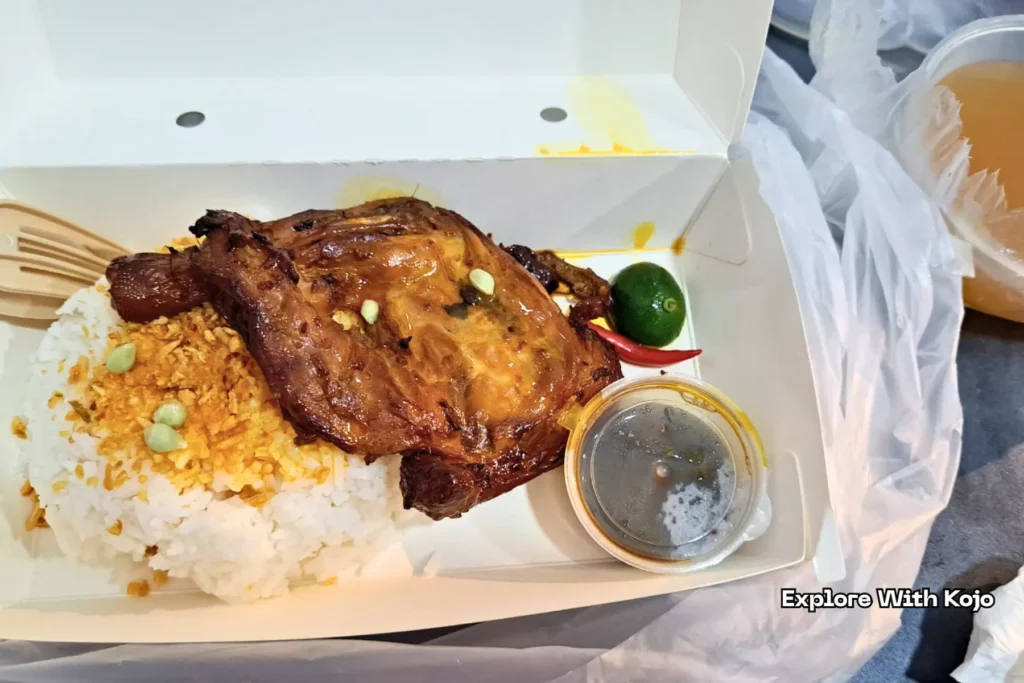
A simple packed meal for air travel. Solid foods like this are allowed in carry-ons.
Where It Gets Tricky
Where most travelers get into trouble is with liquids, gels, and anything that can be easily “spreadable”. Airports treat things like soup, yogurt, peanut butter, stew, or even thick sauces as liquids. And that means the 100 ml (3.4 oz) rule applies.
If you’re carrying stew, curry, soup, or even a bottle of shito (Ghana’s spicy black pepper sauce), you’ll need to pack it in checked luggage. These have no business being in your hand luggage. Anything above 100 ml will be taken away at security. Trust me!
Here’s a good rule of thumb: if it can spill, pour, or spread, it counts as a liquid.
Fresh Foods
Carrying fruit or snacks to eat during the flight is perfectly fine. But don’t bring raw fruit, vegetables, meat, or dairy products into another country unless you’re 100% sure it’s allowed.
I once watched a traveler lose a whole bag of fresh mangoes at customs at Singapore’s Changi Airport. They were all confiscated on the spot. Many countries, including the U.S., Australia, and Singapore, have strict agricultural laws. So you have to be very mindful of that.
When in doubt, eat it on the plane or declare it at customs. Declaring won’t get you into trouble. But trust me if you hide these things from customs, it might easily get you into big trouble.
What About Home-Cooked Food?
This is one of my most asked questions, especially from Ghanaians flying abroad: “Can I pack my fufu or stew?”
Yes, you can. However, once again be very smart about it.
If it’s dry fufu powder or banku mix, that’s totally fine in your checked bag. If it’s the prepared version with soup or sauce, it needs to be packed airtight, labeled if possible, and kept in your checked baggage.
I usually double-wrap mine in zip-lock bags, then place it inside a plastic container. You don’t want to open your suitcase in London and find palm nut soup all over your clothes!
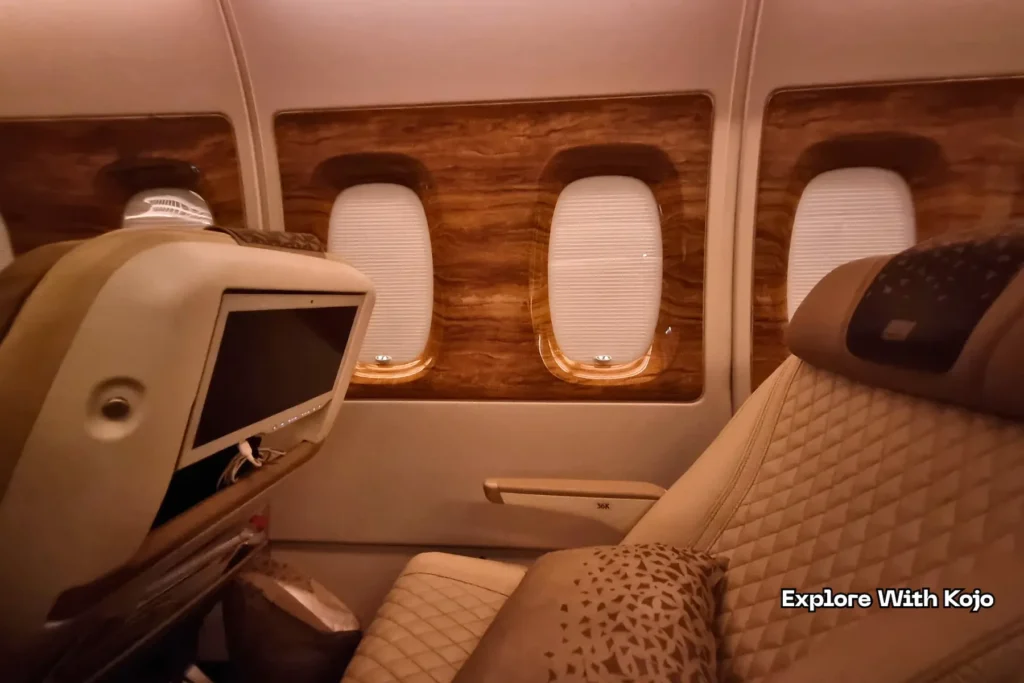
Knowing what food you can bring makes any flight smoother.
For Snacks and Small Meals Onboard
If you’re like me and prefer not to depend on airplane food all the time, here’s what works best:
- Bread rolls or sandwiches without heavy sauces
- Crackers, biscuits, nuts, or granola bars
- Roasted corn, peanuts, or dry pastries
- Small fruits like apples or bananas (eat them before you land)
Avoid anything with a strong smell. You should be considerate to other passengers. You don’t want to be that passenger whose fried fish perfume fills the cabin, which reminds me of an incident during a night flight from Accra to Dubai. An elderly woman seated next to me opened a container of fish with a very strong aroma. It filled our row in seconds and drifted through the cabin. I love fish, and I respect that we all carry food that feels like home, but the scent was so powerful that people a few rows ahead started looking around. The crew were polite about it though. I think sometimes we forget that airplanes are small shared spaces.
A Few Smart Tips I’ve Learned
- Use reusable containers: They seal better than plastic wrap, keep smells in, and you can wash and reuse them on the trip.
- Carry wet wipes or napkins: Airplane trays are not always spotless. A quick wipe before you eat makes a big difference.
- Pack only what you’ll eat: Small portions travel better, save space, and you won’t end up tossing food at the gate.
- Be mindful of others: Skip foods with strong spices or heavy oil. Your row mates will thank you and you will enjoy a calmer flight.
- Check customs rules for each stop: If you are connecting internationally, read the food rules for every country on your route. What is fine in one place can be banned in the next. Once again, I’m hammering on the importance of eating fresh items before you land and declaring anything you are unsure about.
My Rule of Thumb
- Solid food = fine.
- Liquid or saucy food = follow the 100 ml rule.
- Fresh produce = eat it before you land.
- Home-cooked meals = wrap them tight and check them in.
- Always declare at customs if you’re unsure.