Countries Where Prostitution Is Legal in 2025
When it comes to prostitution, laws vary dramatically from country to country and so do the cultural attitudes behind them.
In some nations, prostitution is fully legal and openly regulated, with systems in place to protect the health, rights, and safety of sex workers. In others, it exists in a legal grey zone tolerated but heavily restricted, criminalized only in certain forms, or varying regionally depending on local law.
As a travel content creator who explores not only destinations but the deeper realities of each place, I believe it’s important to shed light on the legal landscape. My ultimate goal isn’t to sensationalize it, but I hope I can use that to help travelers, expats, and curious readers better understand the world’s complex legal systems.
Whether you’re researching out of curiosity, planning extended travel, or simply seeking insight into how different countries govern the sex industry, I strongly believe that this article would be very useful to you. Why? Because it provides a clear list of countries where prostitution is fully legal and those where it operates under limited legality with important restrictions.
Let’s take a look at what the legal reality is in 2025, country by country.
Countries Where Prostitution Is Legal
These countries have legalized prostitution either nationally or regionally, often with regulations or oversight:
-
Brazil: Decriminalized since 1830 (sex work itself is legal, but brothels and pimping remain restricted)
-
Bangladesh: Legally recognized by court ruling in 2000
-
Ethiopia: Legal since at least 2005 when prostitution was decriminalized
-
DR Congo: Legal under the penal code, with a system in place since at least the 1980s
-
Turkey: Formally regulated since 1988
-
Germany: Legal and regulated since 2002
-
Italy: Legal under the 1958 Merlin Law (brothels are outlawed)
-
Kenya: Legal but unregulated
-
Colombia: Legal and regulated
-
Argentina: Legal and regulated
-
Poland: Legal and regulated
-
Mozambique: Legal
-
Peru: Legal with a registration system
-
Madagascar: Legal
-
Ivory Coast: Legal and regulated
-
Venezuela: Legal
-
Malawi: Legal
-
Zambia: Legal
-
Kazakhstan: Legal
-
Chile: Legal and regulated
-
Senegal: Legal and regulated since 1969
-
Guatemala: Legal
-
Netherlands: Brothels legalized in 2000
-
Ecuador: Regulated since 1921 in Quito and 1925 nationwide
-
Bolivia: Legal
-
Belgium: Decriminalized in June 2022
-
Dominican Republic: Legal
-
Honduras: Legal
-
Czech Republic: Legal since the 1990s
-
Portugal: Decriminalized since 2003
-
Greece: Legal and regulated
-
Togo: Legal
-
Hungary: Legalized and regulated since 1999
-
Switzerland: Legal and regulated since 1942
-
Sierra Leone: Legal
-
Hong Kong: Legal for individuals, though brothels are banned
-
Kyrgyzstan: Legal
-
Nicaragua: Legal
-
Denmark: Legalized in 1999
-
Lebanon: Partially legal in regulated zones
-
Central African Republic: Legal
-
New Zealand: Decriminalized in 2003
-
Costa Rica: Legal
-
Panama: Legal
-
Eritrea: Legal
-
Uruguay: Legal and regulated
-
Guinea-Bissau: Legal
-
Latvia: Legal
-
Trinidad and Tobago: Legal
-
Timor-Leste: Legal
-
Cyprus: Legal
-
Estonia: Legal
-
Cape Verde: Legal
-
Monaco: Regulated with legal updates around 2011
My Surprise!
Honestly, this list really took me by surprise. I didn’t expect to see so many African countries where prostitution is fully legal. Countries like Ethiopia, Madagascar, Zambia, and Guinea-Bissau? That was unexpected. And then you have Sierra Leone, Eritrea, and even places like Mozambique and Togo on the list. It really makes you pause and think. Just because something is legal on paper doesn’t mean it’s accepted in everyday life.
In many of these countries, cultural and religious beliefs still carry a lot of weight, and topics like prostitution are considered highly taboo. People don’t openly talk about it, and in some communities, the stigma is very strong. So to see this level of legalization across parts of Africa genuinely caught me off guard. It just goes to show how complicated the relationship is between law, culture, and public perception.
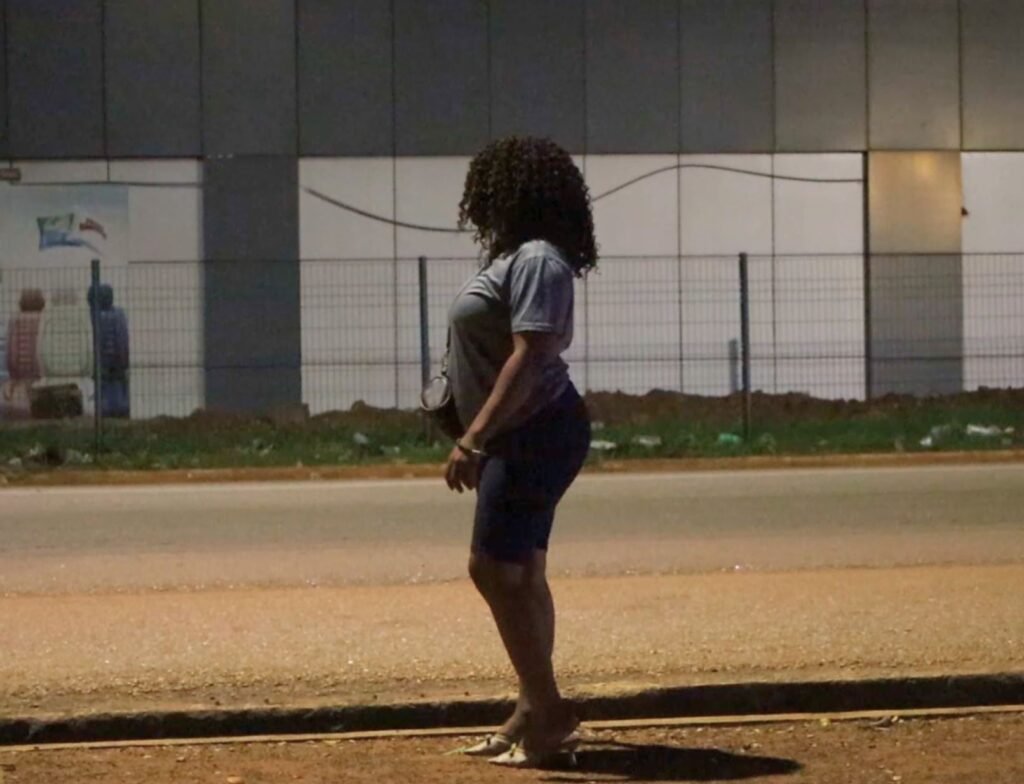
This image was taken during a night walk in Nairobi. It really hit me how visible and yet invisible some things are in African cities.
Countries Where Prostitution Has Limited Legality
In these countries, prostitution may be legal, but associated acts like brothel ownership, solicitation, or pimping are illegal or the legal framework is inconsistent or varies by region:
-
India
-
Indonesia
-
Nigeria
-
Mexico
-
Japan
-
United Kingdom
-
France
-
Spain
-
Algeria
-
Canada
-
Australia
-
Mali
-
Burkina Faso
-
Romania
-
Benin
-
South Sudan
-
Cuba
-
Tajikistan
-
Sweden
-
Israel
-
Austria
-
Paraguay
-
Bulgaria
-
El Salvador
-
Singapore
-
Finland
-
Norway
-
Ireland
-
Namibia
-
Armenia
-
Botswana
-
North Macedonia
-
Fiji
-
Solomon Islands
-
Macau
-
Luxembourg
-
Malta
-
Belize
-
Bahamas
Honestly, I find it interesting how many countries try to sit on the fence when it comes to prostitution. They don’t ban it outright, but they don’t fully regulate it either. In places like Singapore, for example, it’s technically allowed under strict conditions, but the average visitor would never even notice it exists. That’s how discreet and controlled it is. Meanwhile, in some African countries on this list, it’s everywhere in plain sight despite vague or confusing laws.
Frequently Asked Questions (FAQ)
1. Is prostitution legal everywhere in the world?
No, prostitution is not legal in every country. Some nations fully legalize and regulate it, others criminalize it entirely, and many fall somewhere in between, allowing prostitution under strict limitations or specific local laws.
2. What’s the difference between “legal” and “limited legality” in prostitution laws?
-
Legal: Prostitution is officially permitted, and activities such as brothel ownership, solicitation, and third-party involvement are often regulated.
-
Limited Legality: The act of selling sex might not be illegal, but surrounding activities like public solicitation, brothels, or pimping are criminalized. Laws may also vary within different regions of the same country.
3. Are sex workers protected under the law in countries where prostitution is legal?
In many countries where prostitution is legal, there are legal frameworks intended to protect sex workers’ rights, ensure health checks, and provide labor rights. However, the level of enforcement and social support still varies significantly from country to country.
4. Can tourists engage in prostitution legally while visiting these countries?
Even if prostitution is legal in a country, tourists must still respect local laws, including age restrictions, zones of operation, and health regulations. In some places, sex work is only allowed for citizens or registered residents.
5. Why is prostitution criminalized in some countries but legal in others?
The legality of prostitution is often shaped by a country’s cultural, religious, historical, and political context. Some countries view it as a moral issue, others as a labor issue, and some as a public health concern … leading to very different legal approaches.
6. Is legalizing prostitution the same as decriminalizing it?
No. Legalization typically involves regulation, licensing, and government oversight. Decriminalization removes criminal penalties for consensual adult sex work, but doesn’t necessarily impose regulations or government control.
7. Are there health and safety benefits to legalized prostitution?
Research suggests that in countries where prostitution is legalized and regulated, sex workers often have better access to healthcare, legal protection, and safety. It can also reduce exploitation and the spread of sexually transmitted infections (STIs) when implemented properly.
8. Are there countries where prostitution is legal but still risky for sex workers?
Yes. Even in countries where it’s legal, sex workers may face social stigma, inconsistent enforcement, discrimination, or unsafe working conditions. Laws on paper don’t always guarantee protection in practice.














3 Responses
[…] is prostitution legal in Japan?Technically, no. Japan isn’t one of the countries where prostitution is legalized formally. In practice? Yes… in very specific, legally “safe” […]
[…] alike, do come to Africa looking forward to having sex. Actually Kenya is one of the few African countries where prostitution is legal. As long as those types of dynamics exist, Kenya’s standing as a tourist destination will likely […]
[…] countries have legalized and regulated sex work. Others may turn a blind eye. And many outright ban it with strict penalties. So if you’re […]